Formats
Every format, from tintypes to disposables
12 formats, each with the years it was in use, how it fails and the pass that suits it. Scan or photograph the original flat, then start.
Polaroid
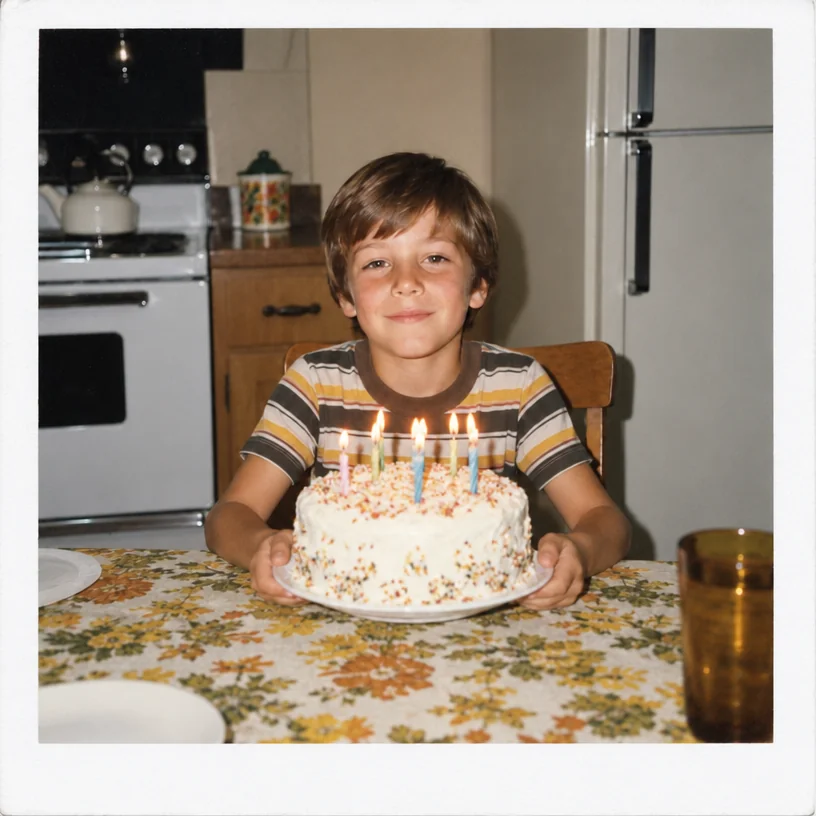
1948 onward, integral film from 1972A Polaroid is an instant print developed inside its own pod of chemistry, with the familiar white frame on SX-70, 600 and Spectra film. Peel-apart pack film came first, in 1963, and the integral print with nothing to peel arrived in 1972.
Open with these settings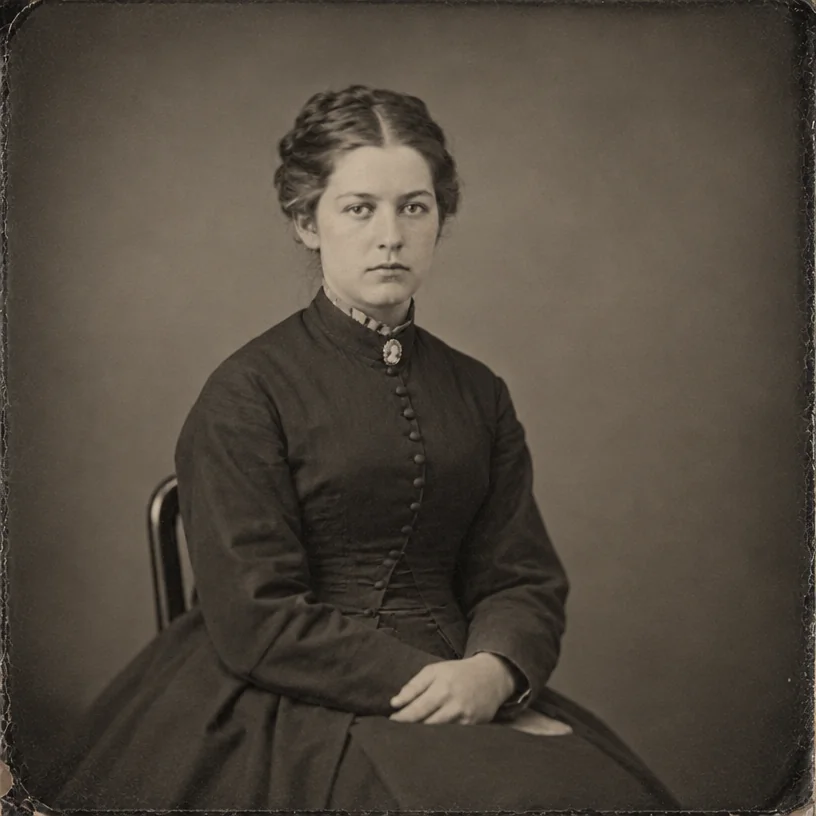
Tintype
1856 to about 1900, with fairground use into the 1930sA tintype is a direct positive on a thin sheet of lacquered iron, cheap, quick and tough enough to mail home. Most Civil War soldier portraits and a great many fairground pictures were made this way.
Open with these settings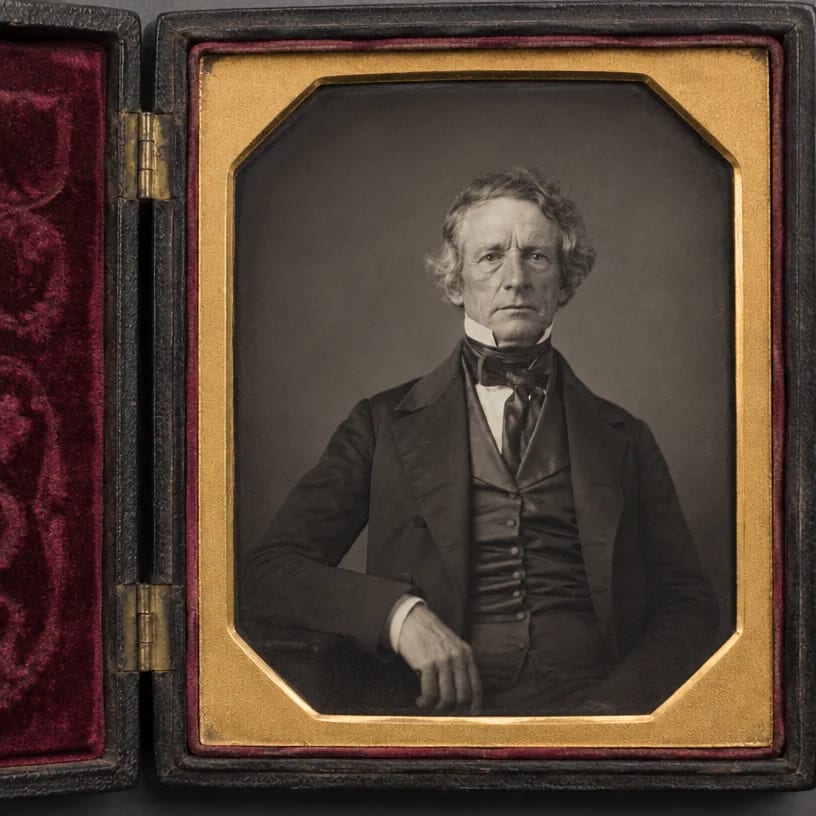
Daguerreotype
1839 to about 1860A daguerreotype is the first practical photograph: a mirror-polished silvered copper plate sealed under glass in a hinged case. Each one is unique, with no negative behind it.
Open with these settings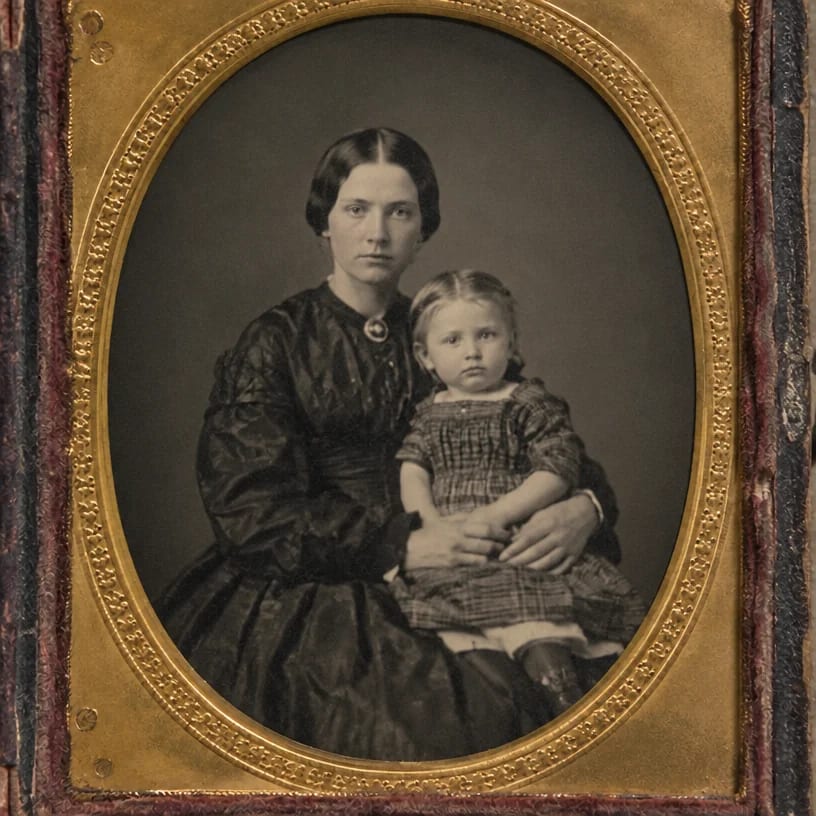
Ambrotype
1854 to about 1865An ambrotype is a collodion negative on glass backed with black varnish, paper or cloth so that it reads as a positive. It was cased like a daguerreotype but without the mirror shine, and it was cheaper.
Open with these settings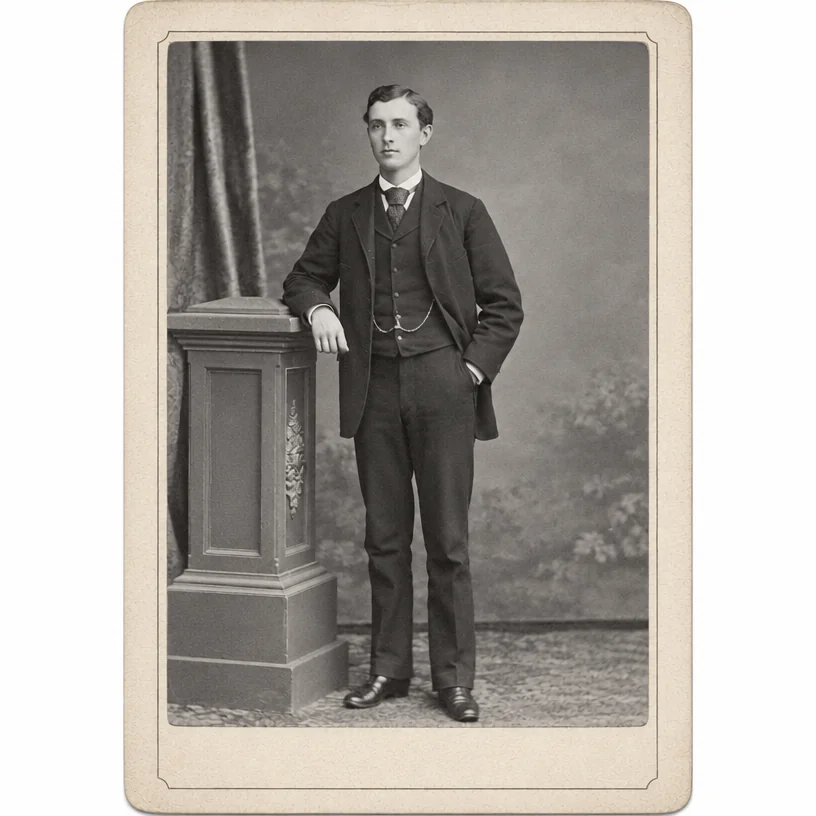
Cabinet Card
1866 to about 1914A cabinet card is an albumen print mounted on a stiff card with the studio name printed under the image, made to stand in the parlour cabinet. It replaced the smaller carte de visite as the standard studio portrait.
Open with these settings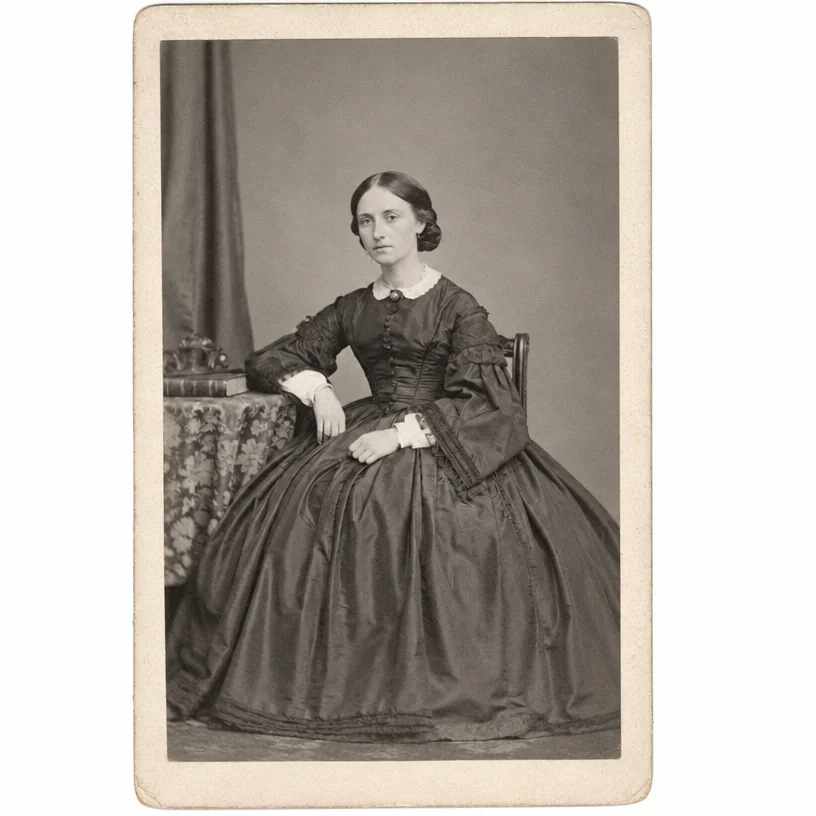
Carte de Visite
1854 to about 1880A carte de visite is a small albumen print on a calling-card mount, traded and collected in albums by the dozen. It is the most common Victorian portrait and often the only picture of a person born before 1850.
Open with these settings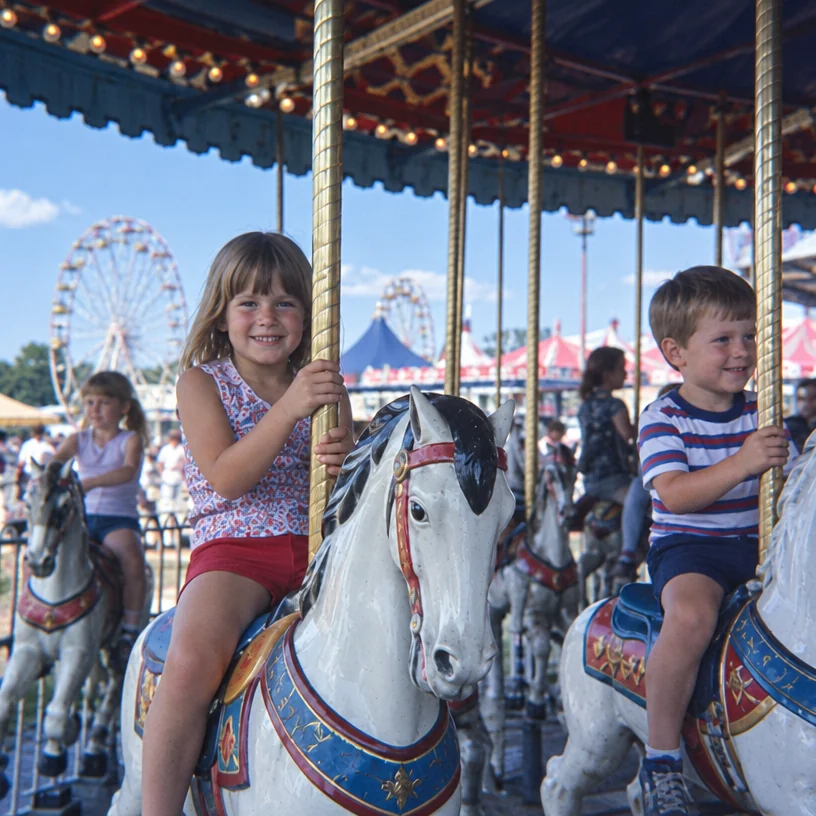
35mm Slide
1936 to about 2005A 35mm slide is a positive transparency in a 2 x 2 in cardboard or plastic mount, projected on the living-room wall and stored in carousels and shoeboxes. It has to be backlit to be seen at all.
Open with these settings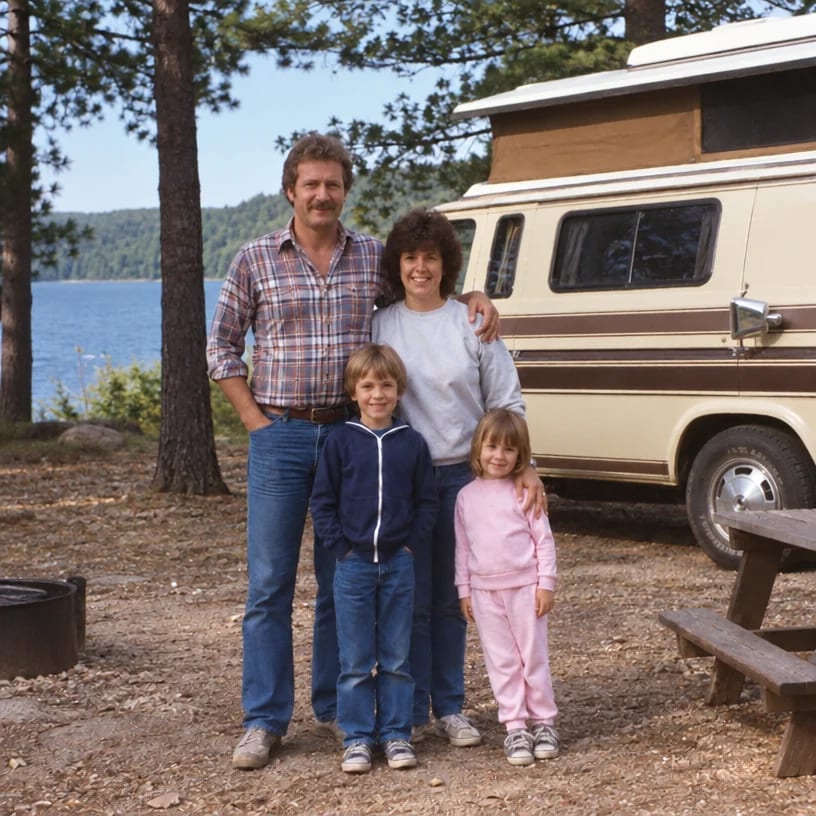
Color Negative
1942 onwardA color negative is the orange-masked strip that came back from the lab with the prints, and it is the master copy of every drugstore photo since the 1950s. Because it is inverted and masked, the restoration tools need it scanned as a positive first.
Open with these settings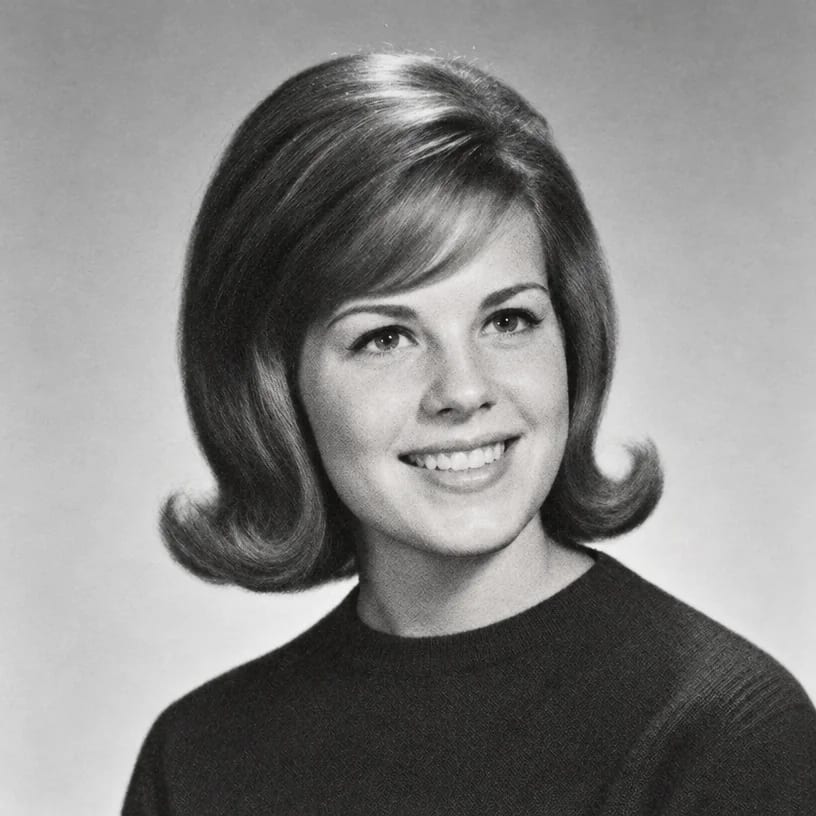
Yearbook
1880s onwardA yearbook photo is a halftone-printed page: the studio portrait was screened into a grid of dots for the press. For many school photos the printed page is the only copy that survives.
Open with these settings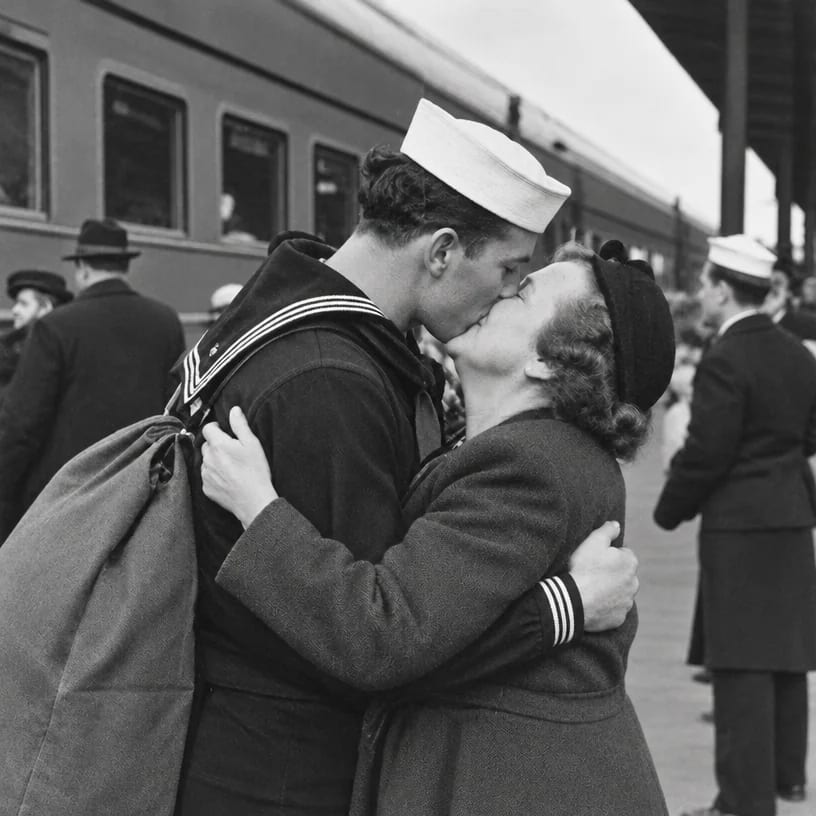
Newspaper Clipping
1880s onwardA newspaper clipping is a wedding announcement, an obituary or a team photo cut from the local paper and kept in a Bible or a drawer. The picture on it is a coarse halftone on the cheapest paper ever made.
Open with these settings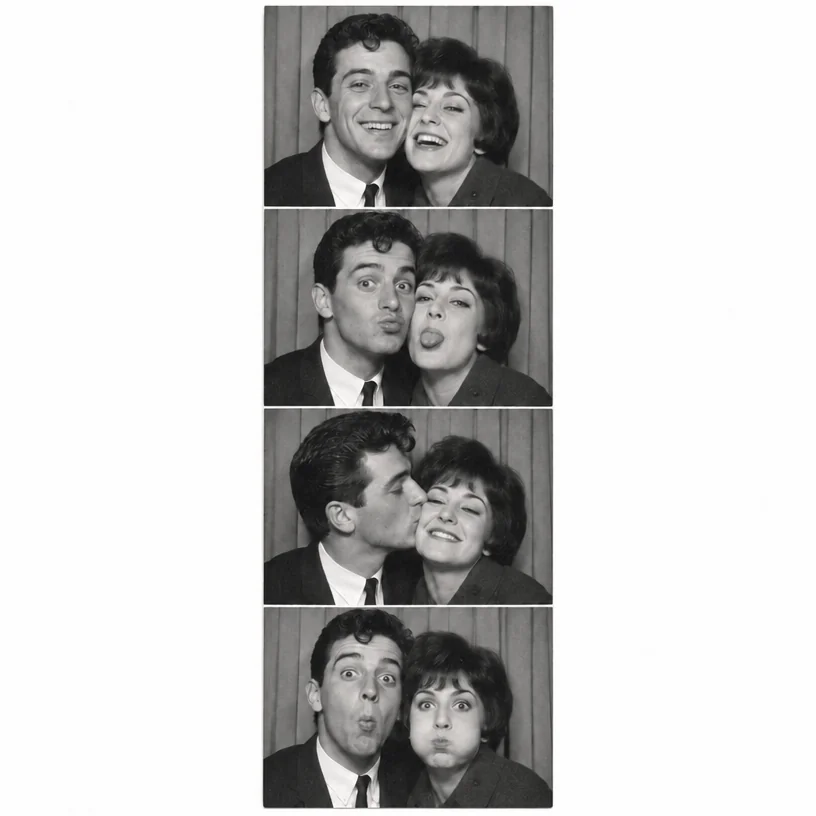
Photo Booth Strip
1925 onwardA photo booth strip is four small frames on a single strip from a coin-operated booth, printed on direct-positive paper in a few minutes. There is no negative; the strip is the whole record.
Open with these settings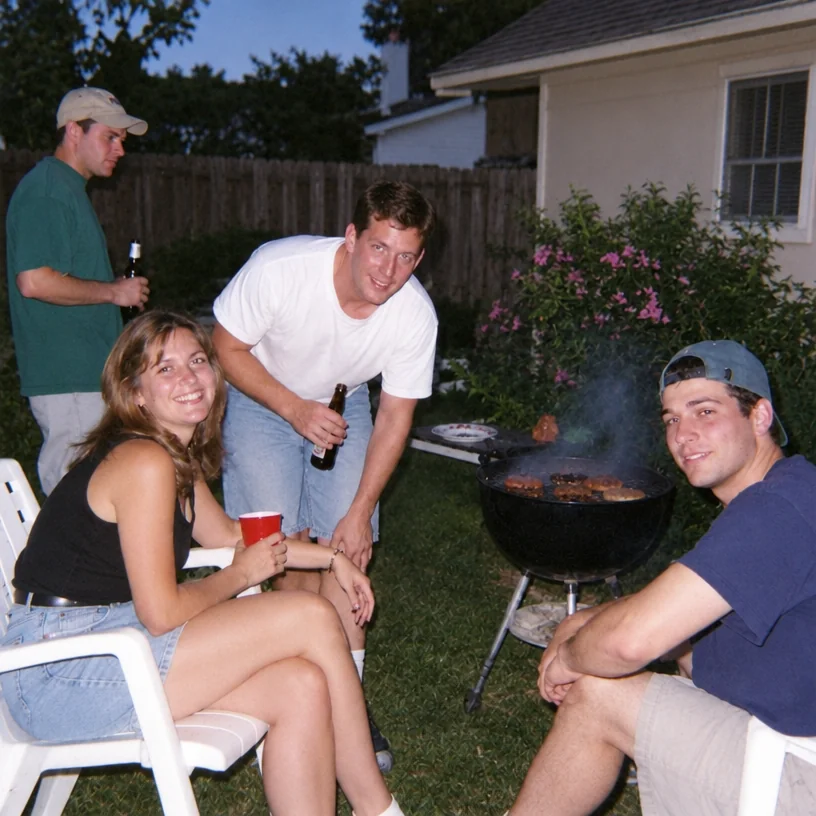
110 and Disposable Camera Prints
1972 to about 2005110 and disposable camera prints are the small drugstore prints from pocket cartridge cameras and single-use cameras: a plastic lens, a tiny negative and one-hour lab paper. They are the most numerous prints in most families and the least sharp.
Open with these settings| Format | In use | How it fails |
|---|---|---|
| Polaroid | 1948 onward, integral film from 1972 | The dyes shift toward yellow, orange or green, the image goes soft, and the chemistry pod at the bottom edge leaves cracks and blotches; peel-apart prints fade fastest of all. |
| Tintype | 1856 to about 1900, with fairground use into the 1930s | The lacquer crazes, the plate rusts inward from the edges, the varnish yellows and any bend leaves a permanent crease in the metal. |
| Daguerreotype | 1839 to about 1860 | Tarnish creeps in from the edges as a blue-brown halo, the cover glass weeps and etches, and the image appears or vanishes depending on the angle you hold it at. |
| Ambrotype | 1854 to about 1865 | The black backing flakes and lets light through as bright patches, the collodion peels away from the glass, and the glass itself cracks. |
| Cabinet Card | 1866 to about 1914 | The albumen yellows and cracks in a fine web, the image fades to pale brown, the card corners soften and the mount goes brittle enough to snap. |
| Carte de Visite | 1854 to about 1880 | The prints fade to a pale yellow-brown, the corners are rubbed away by album slots and the thin card curls and delaminates. |
| 35mm Slide | 1936 to about 2005 | Ektachrome and other E-6 films drift red or magenta, Kodachrome holds its color but scratches and grows fungus, and the mounts warp and pinch the film. |
| Color Negative | 1942 onward | The dyes fade unevenly so the orange mask no longer inverts cleanly, the strips scratch and curl, and the paper sleeves stick to the emulsion. |
| Yearbook | 1880s onward | The dot screen turns to moire when scanned, the paper yellows and foxes, ink bleeds into the page and the spine crushes the inner margin. |
| Newspaper Clipping | 1880s onward | Newsprint is acidic and turns brown and brittle within decades, the halftone dots dominate at close range and the ink transfers to whatever touches it. |
| Photo Booth Strip | 1925 onward | The strips were carried in wallets and purses, so they crease across the frames, the silver surface yellows and mirrors, and the edges fray. |
| 110 and Disposable Camera Prints | 1972 to about 2005 | The prints are soft and grainy from the start, the lab paper shifts toward magenta or cyan, flash red-eye is routine and the date stamp burns into the corner. |